Why Anxiety Keeps Coming Back

Updated: May 11
Even when you're doing everything right
You’re doing what you’re supposed to do. You’ve learned tools. You try to manage your thoughts. You push yourself to get through things. Sometimes it even works for a while.
But then it comes back. The same anxiety. The same overthinking. The same reactions that feel hard to control.
You might find yourself questioning, Why does this keep happening? Why do I still feel this way when I know I’m okay right now? Am I missing something?
The issue is not that you’re doing something wrong. The issue is that most approaches to anxiety are focused on managing what’s happening, not changing what’s driving it. They help you cope in the moment. But they don’t always change the pattern underneath.
Why coping only goes so far
Tools like breathing, grounding, or challenging your thoughts can be really helpful in the moment. They can calm your system temporarily. They can help you get through difficult moments. But if the same reactions keep coming back, it usually means something deeper is still being activated.
Something in your system still expects:
“I’m not safe”
“Something might go wrong”
“I need to stay on guard”
“I’m not good enough”
These aren’t just thoughts. They are learned patterns your brain developed based on past experiences. That’s why you can know something logically… and still feel something completely different. You can tell yourself, "I'm fine," but your body reacts like you’re not.
What's actually happening
Anxiety often comes from emotional learning that was formed earlier in life or during stressful experiences. At the time, those patterns made sense. They helped you adapt, protect yourself, or get through something difficult. But over time, they can become automatic. They keep getting triggered, even when your current situation is different.
If those patterns are still there, your system will keep reacting in the same way.
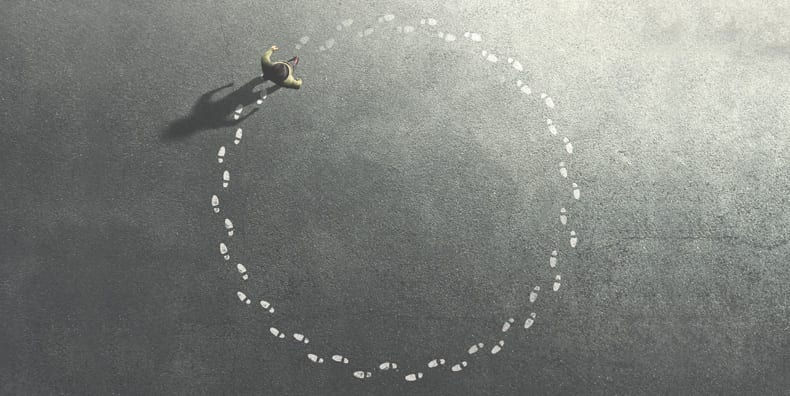
That’s why it can feel like you’re stuck in a loop. Real change doesn’t come from managing those reactions better. It comes from updating the patterns that are creating them.
When those underlying patterns shift:
The triggers don’t feel the same
The anxiety response doesn’t activate as strongly
You don’t have to work as hard to stay calm
This is the difference between coping and actual change.
There are specific ways therapy can help create this kind of change by working directly with the patterns driving anxiety. We go deeper into how that works here:
If you’ve been trying to manage anxiety and it keeps coming back, it doesn’t mean you’re doing it wrong. It usually means you haven’t been shown a way to work with what’s actually driving it.
And that can be changed.
